Recipes and production for restaurants
Automatic control over consumption and stock in real time.
Good stock management is more than knowing what sits in the store room
In a restaurant it matters just as much to be able to follow how raw materials turn into finished dishes and how the stock updates after every sale or production run.
The boogiT recipes and production module connects selling, ingredient consumption and production in a single flow, so that the stock stays permanently up to date.
Recipes and sub-recipes for every product
Every item in the system can have a recipe attached to it, and that recipe can include sub-recipes as well.
A finished dish, for instance, can contain direct ingredients but also semi-finished items produced in house, such as sauces, doughs, creams or other components prepared in advance.
With this structure, the recipe book can mirror much more faithfully the way the kitchen actually works.
Automatic consumption on every sale
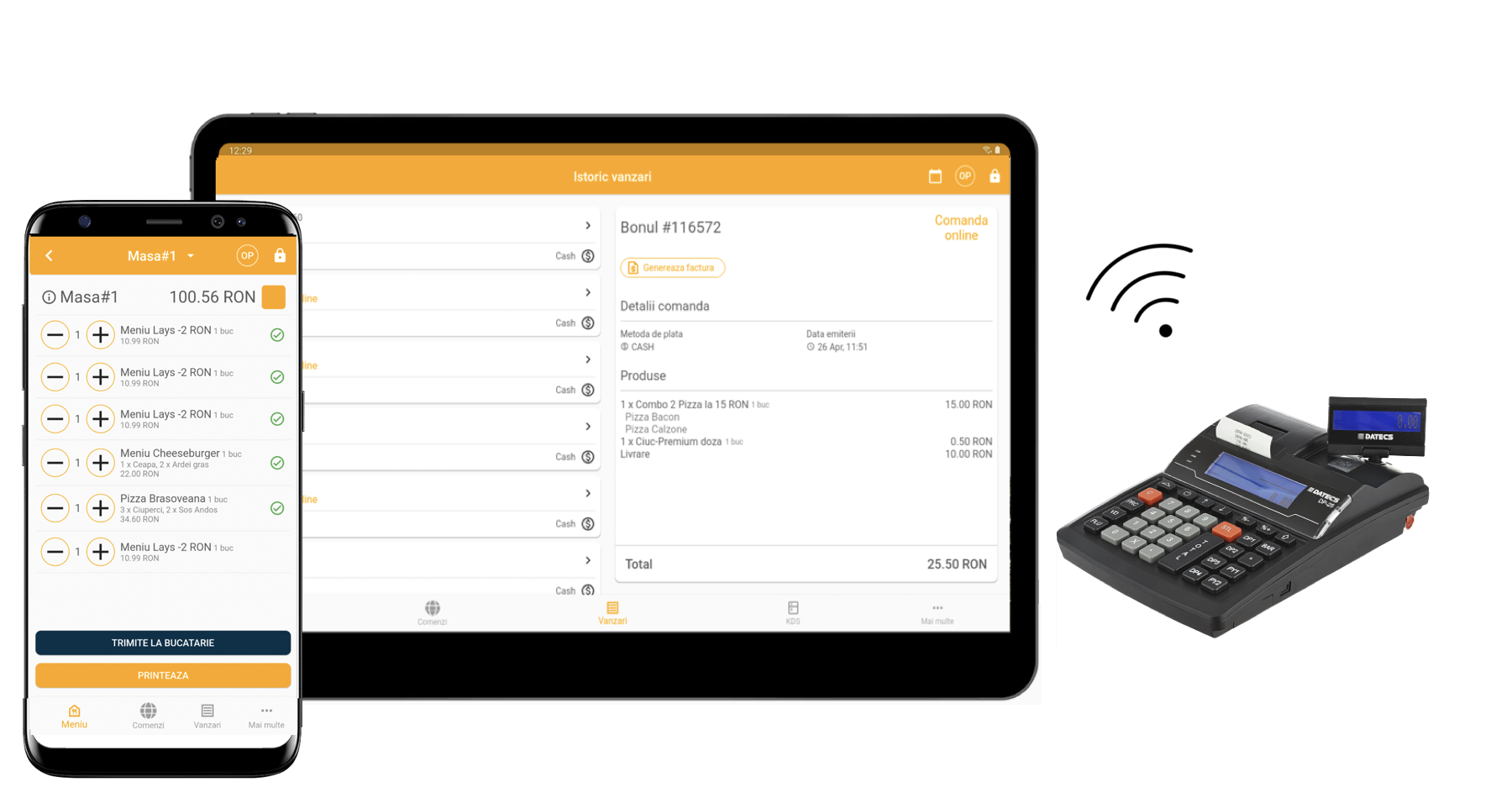
When a product is sold, the quantities defined in the recipe are deducted from stock automatically.
Every sale therefore updates the ingredient consumption in real time, without the staff entering the stock movements by hand.
The result is a theoretical stock that stays up to date, built directly from the real selling activity.
Production declared straight from the kitchen
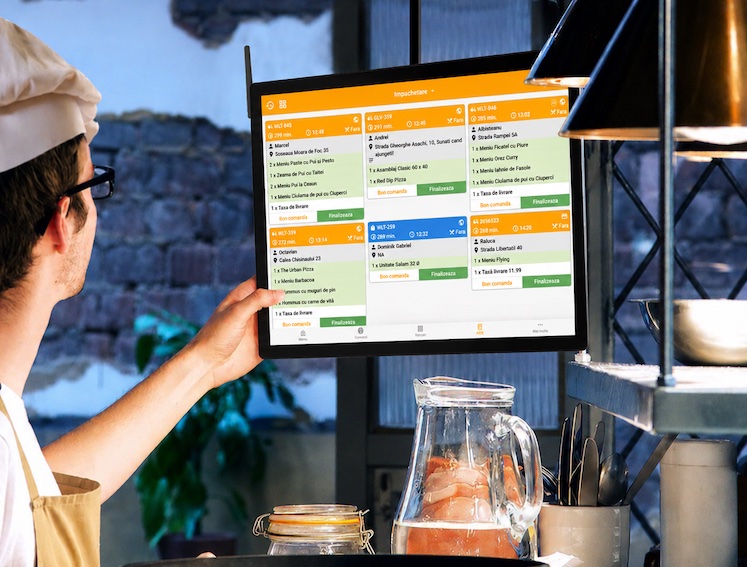
For products that are prepared in advance or transformed in house, the production process can be recorded directly by the kitchen team.
The cooks can declare the quantity produced and the system updates the stock automatically according to the defined recipe.
If 10 kg of a certain semi-finished item are produced, for instance, boogiT deducts the raw materials used from stock and adds the resulting quantity to it.
Production therefore becomes part of the operational flow rather than a separate process handled later by the back office.
Stock updated in real time
Through the link between recipes, sales and production, the system gives a much more accurate picture of the available stock. Managers can follow:
- The consumption generated by sales
- The raw materials used in production
- The quantities produced
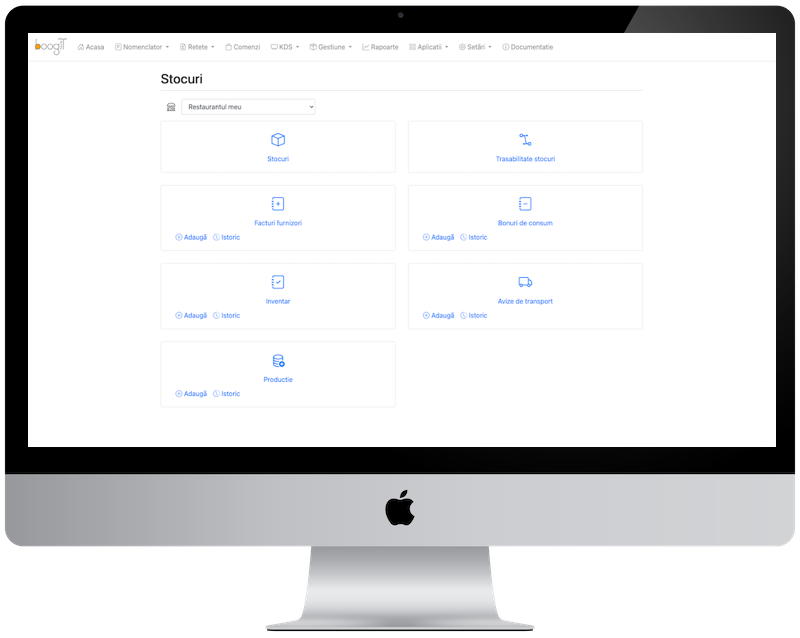
- The available stock
- The differences between theoretical and real stock
This visibility helps spot losses, errors or unusual consumption faster.
A recipe book connected directly to stock management
The main advantage of an integrated system is that recipes are not just reference documents. They directly influence:
- The stock
- The consumption
- The production
- The costs
- The profitability of the dishes
Every sale and every production run therefore contributes automatically to keeping stock management up to date.
More control over costs and margin
When the recipes are correctly defined and connected to the purchase prices, the restaurant can compute the real cost of the dishes more precisely.
That lets managers follow how costs evolve and spot more easily the products with a low margin or the recipes that need optimising.
For businesses with high volumes or several locations, this level of automation gives a far clearer picture of consumption and profitability.
Ready to get results?
Talk to a restaurant and retail specialist today and find out how boogiT can help you grow your business.